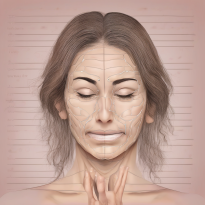
Basic skin cleaning
Basic skin cleaning
Basic skin cleaning is the first and most important step of any skin care because it removes impurities, excess sebum and makeup residues that would otherwise clog pores. Often fine gels or foams are used that do not remove the skin’s natural protective barrier, and then a tonic to restore the pH. Regular and proper cleaning helps improve the absorption of other products such as serums or creams, so the overall skin care effect is significantly better. When sensitive skin it is advisable to choose hypoallergenic products without perfumes and aggressive tenzides to avoid irritation. It is recommended to clean the skin morning and evening, always with gentle movements, without too much rubbing or dragging.
Double cleansing
Double cleaning is a technique that combines oil or balsam cleaning with subsequent gel or foam cleaning and its goal is to thoroughly but gently remove both make-up and UV protection, as well as residues of sweat and ointment. The first step, oil cleaning, dissolves lipophilic impurities and helps to relieve the wrinkles of make-up without aggressive friction, which is beneficial when removing waterproof decorative cosmetics. The second step then cleanses the skin from residual impurities and at the same time ensures a feeling of freshness without residues of ointment. This method is especially appreciated by people with greater skin or wearers of make-up, but even dry skin can benefit from delicate variants with moisturizing ingredients. The result is clean, unventilated ple
Exfoliation — mechanical and chemical peeling
Exfoliation is the process of removing dead skin cells from the surface of the skin using mechanical particles or chemicals such as AHA and BHA, thereby promoting the restoration and unification of the structure of the skin. Mechanical peelings contain fine grains or microperls that physically disrupt irregularities, while chemical peelings work by dissolving intercellular cement and often act deeper and more evenly. Regular but not too frequent exfoliation (e.g. 1–2× per week) can minimize clogged pores, soften skin texture and give it a healthier appearance, but with sensitive skin it is necessary to proceed with caution and select careful products. After exfoliation it is important to increase protection because the sun can be sensitive to UV exposure in time
Enzymatic cleaning
Enzymatic cleaning uses plant or biologically active enzymes (such as papaya or pineapple) that gently dissolve bonds between dead cells without gross friction, and is therefore popular with sensitive and reactive skin. This type of cleaning acts slowly and gently, often in the form of a mask or cream, and after application the skin remains smoother and brighter without signs of irritation that can cause mechanical scrubs. Enzymatic treatment is suitable as a regular supplement to skin care, especially for those who need to remove surface dirt and improve skin texture. Combining with moisturizing and soothing ingredients of the treatment will help restore skin comfort and prevent redness. When using enzymatic products it is good to be advised to take time and avoid over-watering the product.
Microdermabrasion
Microdermabrasion is a professional procedure that mechanically removes the surface layer of the skin using fine crystals or diamond plants, thereby stimulating regeneration, improving texture and reducing fine scars and pigment inequalities. Treatment is usually carried out by a qualified cosmetologist and can be safely combined with other procedures, with the number of repetitions depending on the client’s goals and skin response. After microdermabrasion, the skin is often red and sensitive, so it is necessary to use soothing and moisturizing products and consistent photoprotections. The results appear gradually — the skin becomes smoother, fresher and better accepts active substances from subsequent care. Before undergoing microdermabrasion, it is advisable to consult a specialist if there are specific skin diseases or
Hydrafacial and depth cleaning
Hydrafacial is a modern procedure combining cleaning, exfoliation, extraction, hydration and infusion of moisturizing serums that restore skin brightness without long recovery, and therefore is often chosen for quick and visible improvement. During treatment, a special device gently removes deceased cells and then under pressure performs a deep cleaning of pores, thus minimizing mechanical scratches and irritation. In conclusion, a cocktail of moisturizing and regenerating substances is applied to the skin that calms the skin, strengthens the barrier and gives immediate glow to health. Hydrafacial is suitable for most skin types, including sensitive, but the ideal treatment plan should be established by a specialist according to individual needs. The procedure offers a quick and short-term effect, but for more lasting results is often recommend